

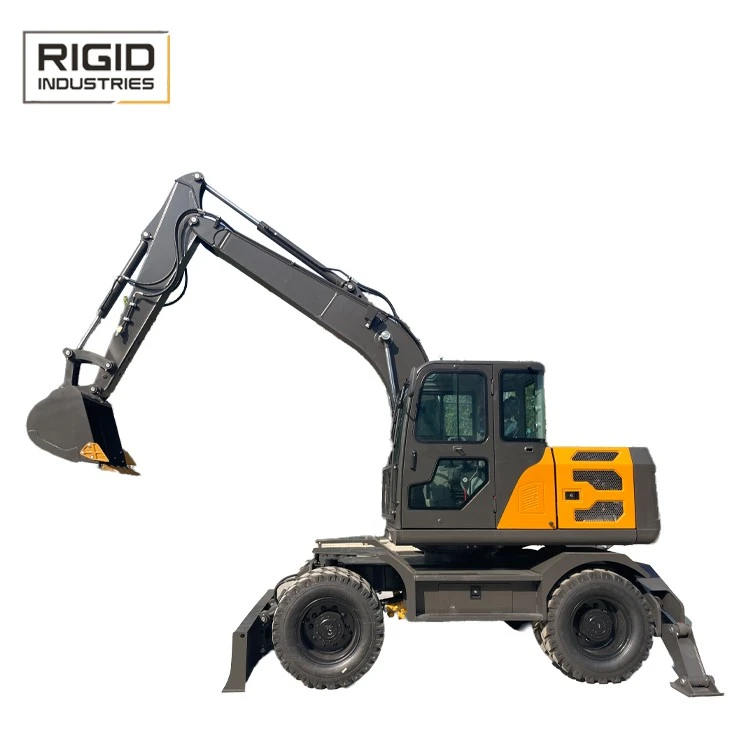
Transporting a wheel excavator safely is a critical task that requires careful planning, adherence to regulations, and the use of proper equipment. As a wheel excavator supplier, I understand the importance of ensuring that these powerful machines reach their destination in one piece. In this blog post, I will share some essential tips and guidelines on how to transport a wheel excavator safely.
Pre - transport Preparation
Inspection of the Wheel Excavator
Before transporting the wheel excavator, a thorough inspection is necessary. Check the overall condition of the machine, including the engine, hydraulic system, tires, and tracks (if applicable). Ensure that all parts are in good working order and there are no loose or damaged components. This inspection not only helps in identifying potential problems during transportation but also ensures the safety of the operators and others on the road.
Securing Loose Parts
Remove any loose tools, attachments, or debris from the excavator. Secure all movable parts such as the bucket, boom, and arm. Use appropriate locking mechanisms or tie - downs to prevent them from shifting during transit. For example, you can use chains or straps to secure the bucket to the frame of the excavator.
Documentation
Gather all the necessary documentation, including the machine's registration, insurance, and any permits required for transportation. Different regions may have specific regulations regarding the transportation of heavy equipment, so it's crucial to be aware of and comply with these rules.

Choosing the Right Transport Equipment
Trailer Selection
Select a trailer that is suitable for the size and weight of the wheel excavator. For smaller models like the 8.5 Ton Wheel Excavator, a medium - sized flatbed trailer may be sufficient. However, for larger machines such as the 21 Ton Wheel Excavator or 12 Ton Wheel Excavator, a heavy - duty low - bed trailer is often required. Make sure the trailer has a sufficient weight capacity and is in good condition, with properly functioning brakes and tires.
Tie - down Straps and Chains
Use high - quality tie - down straps and chains to secure the wheel excavator to the trailer. The straps and chains should be rated for the weight of the machine and have a proper working load limit. Typically, at least four tie - down points are recommended for a wheel excavator, one at each corner of the machine. Make sure the straps and chains are tightened properly to prevent any movement during transportation.
Loading the Wheel Excavator
Loading Ramp
Use a sturdy loading ramp that can support the weight of the wheel excavator. The ramp should be long enough to provide a gradual incline for safe loading. Ensure that the ramp is properly secured to the trailer and the ground to prevent it from slipping or shifting during the loading process.
Operator Skills
The operator loading the wheel excavator should be experienced and skilled. They should drive the machine slowly and carefully onto the trailer, following the centerline of the ramp. Avoid sudden movements or jerks that could cause the machine to tip over. Once the excavator is on the trailer, position it as close to the center as possible to maintain balance.
Securing the Wheel Excavator on the Trailer
Tie - down Placement
Attach the tie - down straps or chains to the designated tie - down points on the excavator and the trailer. Make sure the straps are tight and do not have any slack. Check the tension of the tie - downs periodically during the loading process to ensure they remain secure.
Wheel Chocks
Place wheel chocks in front of and behind the wheels of the wheel excavator to prevent it from rolling. The wheel chocks should be made of a strong material and be the appropriate size for the wheels of the machine.
During Transportation
Speed and Driving
Drive at a safe speed, taking into account the weight and size of the load. Avoid sudden stops, starts, and sharp turns. Be aware of the increased stopping distance required when transporting a heavy wheel excavator. Also, be cautious when driving on uneven roads or in adverse weather conditions.
Regular Checks
Make regular stops to check the condition of the tie - downs, wheel chocks, and the overall stability of the load. Look for any signs of movement, damage, or loosening of the equipment. If any issues are detected, stop immediately and take the necessary steps to correct them.
Unloading the Wheel Excavator
Reverse the Loading Process
Unloading the wheel excavator is essentially the reverse of the loading process. Follow the same safety procedures, using the loading ramp and an experienced operator. Slowly drive the machine off the trailer, making sure to maintain control at all times.
Final Inspection
Once the wheel excavator is unloaded, conduct a final inspection to ensure that it has not been damaged during transportation. Check all the components and systems to make sure they are still in good working order.
Conclusion
Transporting a wheel excavator safely requires careful planning, the right equipment, and strict adherence to safety procedures. By following these guidelines, you can minimize the risk of damage to the machine and ensure the safety of everyone involved in the transportation process.
If you are interested in purchasing a wheel excavator or have any questions about transportation or our products, please feel free to contact us for further details and to discuss your specific requirements. We are here to provide you with the best solutions for your construction needs.
References
- "Heavy Equipment Transportation Safety Guidelines", Department of Transportation, [Year of publication]
- "Wheel Excavator Operation and Maintenance Manual", Manufacturer's Manual, [Year of publication]


