

As a supplier of 16 - ton wheel loaders, I've often been asked about the noise level of these powerful machines during operation. This blog will delve into this crucial aspect, exploring the factors that influence the noise, the typical noise levels, and how they compare to other loaders.
Factors Affecting the Noise Level of a 16 - Ton Wheel Loader
Engine Type and Power
The engine is one of the primary sources of noise in a wheel loader. A 16 - ton wheel loader is equipped with a high - power engine to handle heavy - duty tasks. Diesel engines, which are commonly used in such large loaders, are known for generating significant noise. The size and power output of the engine directly correlate with the noise it produces. A larger engine requires more fuel and air for combustion, leading to louder explosion sounds within the cylinders. Additionally, the engine's cooling system, including the radiator fan, can contribute to the overall noise as it spins at high speeds to dissipate heat.
Hydraulic Systems
Hydraulic systems play a vital role in the operation of a wheel loader. They are responsible for functions such as lifting the bucket, tilting it, and steering the machine. The hydraulic pumps, valves, and cylinders can generate noise during operation. When the hydraulic fluid is forced through the system at high pressures, it can cause vibrations and noise. The rapid opening and closing of valves, as well as the movement of pistons in the cylinders, also contribute to the hydraulic noise.
Moving Parts and Friction
A wheel loader has numerous moving parts, including gears, axles, and the wheels themselves. As these parts interact, friction is generated, which can result in noise. The gears meshing and the axles rotating produce mechanical noise. Moreover, the contact between the wheels and the ground, especially on rough or uneven surfaces, can create additional noise. The tread pattern of the tires, the weight distribution of the loader, and the speed at which it operates all influence the noise generated by the wheels.
Operational Conditions
The working environment and the type of tasks being performed can significantly affect the noise level. For example, when a 16 - ton wheel loader is working in a confined space, such as a narrow quarry or a construction site with high - rise buildings nearby, the noise can be amplified due to sound reflections. On the other hand, if the loader is operating on a large, open field, the noise may disperse more easily. Additionally, the type of material being loaded and the frequency of loading cycles can impact the noise. Shoveling heavy, dense materials like rocks will generally produce more noise than loading lighter materials such as sand.
Typical Noise Levels of a 16 - Ton Wheel Loader
The noise level of a 16 - ton wheel loader during operation typically ranges from 90 to 100 decibels (dB(A)) at the operator's position. The dB(A) scale is a standard measurement that approximates the human ear's response to different frequencies of sound. At 90 - 100 dB(A), the noise is quite loud and can cause hearing damage if a person is exposed to it for an extended period without proper hearing protection.
To put this into perspective, normal conversation typically occurs at around 60 dB(A), while a lawnmower operates at approximately 90 dB(A). The high noise levels in a 16 - ton wheel loader are a result of the combined effects of the engine, hydraulic systems, and moving parts as described above.
Comparison with Other Loaders
Let's compare the noise levels of a 16 - ton wheel loader with those of smaller loaders. For instance, a 13 - ton Wheel Loader generally has a slightly lower noise level, usually in the range of 85 - 95 dB(A) at the operator's position. This is because it has a smaller engine and less powerful hydraulic systems compared to a 16 - ton loader.
A 1.8 Ton Wheel Loader is much quieter, with noise levels typically ranging from 75 - 85 dB(A). The smaller size of the engine and the reduced power requirements mean that there is less noise generated from the engine and hydraulic components. Similarly, a 0.8 Ton Wheel Loader (assuming the link is a bit off perhaps in description but we'll use it in context) has even lower noise levels, often around 70 - 80 dB(A). These smaller loaders are designed for lighter - duty tasks and have less powerful engines, resulting in quieter operation.
Noise Reduction Measures
As a supplier, we are aware of the importance of reducing noise levels for the well - being of operators and those in the vicinity of the wheel loader. We implement several noise reduction measures in our 16 - ton wheel loaders.
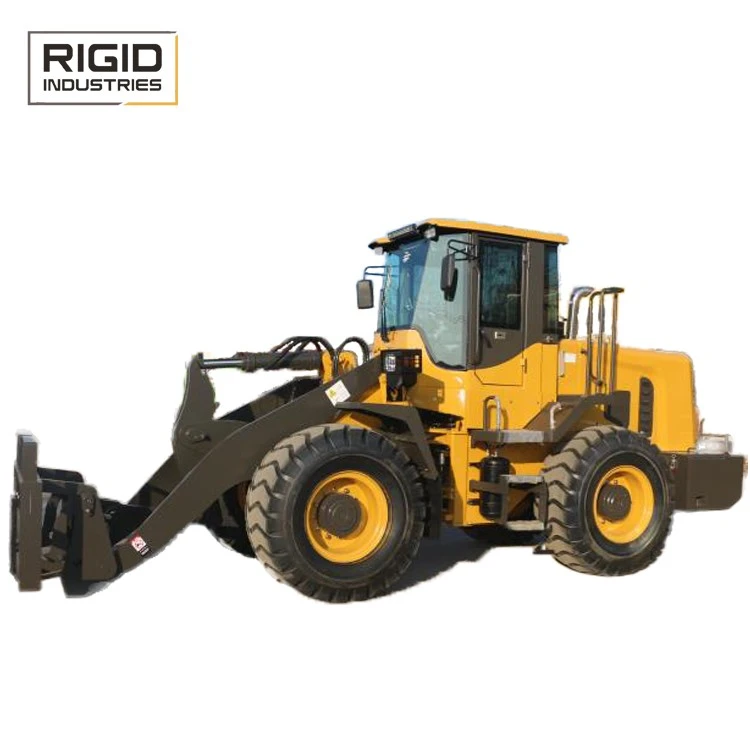

Engine Enclosure
We design our loaders with a well - insulated engine enclosure. The enclosure is made of materials that can absorb and dampen the noise generated by the engine. This not only reduces the noise reaching the operator's cabin but also helps to protect the engine from external factors such as dust and debris.
Hydraulic System Optimization
Our engineers work on optimizing the hydraulic systems to reduce noise. This includes using high - quality hydraulic components that are designed to minimize vibrations and noise during operation. We also ensure that the hydraulic fluid is at the correct pressure and viscosity to reduce the noise caused by fluid flow.
Vibration Isolation
We use vibration isolation mounts for various components of the loader, such as the engine and the hydraulic pumps. These mounts help to reduce the transmission of vibrations from the moving parts to the rest of the machine, which in turn reduces the noise generated.
Operator Cabin Design
The operator cabin is designed to be a quiet and comfortable environment. It is equipped with sound - insulating materials on the walls, floor, and ceiling. The windows are also made of laminated glass, which helps to block out external noise. Additionally, the cabin is sealed to prevent noise from entering through gaps.
Importance of Considering Noise Levels
When choosing a wheel loader, it is essential to consider the noise levels for several reasons.
Operator Safety and Health
Exposure to high - level noise for long periods can cause permanent hearing damage to the operator. By choosing a loader with lower noise levels, operators can work in a safer and healthier environment. This not only protects their hearing but also reduces the risk of other stress - related health problems caused by continuous exposure to loud noise.
Environmental Impact
In many work environments, there are strict regulations regarding noise pollution. A wheel loader with high noise levels can cause disturbances to nearby residents, wildlife, and other workers. By using a loader with lower noise emissions, companies can comply with environmental regulations and reduce their impact on the surrounding environment.
Productivity
A noisy working environment can be distracting for the operator, leading to reduced productivity. When the operator is not constantly distracted by loud noise, they can focus better on the task at hand, which can result in more efficient and accurate operation of the wheel loader.
Contact for Procurement
If you are in the market for a 16 - ton wheel loader and are concerned about noise levels, we are here to help. Our loaders are designed with the latest noise reduction technologies to ensure a quiet and efficient operation. Whether you are involved in construction, mining, or any other industry that requires heavy - duty material handling, our 16 - ton wheel loaders are a reliable choice. Contact us to discuss your specific requirements and start the procurement process.
References
- Machinery Noise and Vibration Control Handbook.
- Standards and regulations on construction equipment noise emissions.
- Industry research papers on the noise characteristics of wheel loaders.


