

As a trusted supplier of mini spider cranes, I understand the importance of ensuring the safety of operators and those in the vicinity during crane operations. Mini spider cranes are versatile and powerful machines, but like any heavy equipment, they require strict adherence to safety precautions. In this blog post, I will share some essential safety measures that should be taken when using a mini spider crane.
Pre - operation Safety Checks
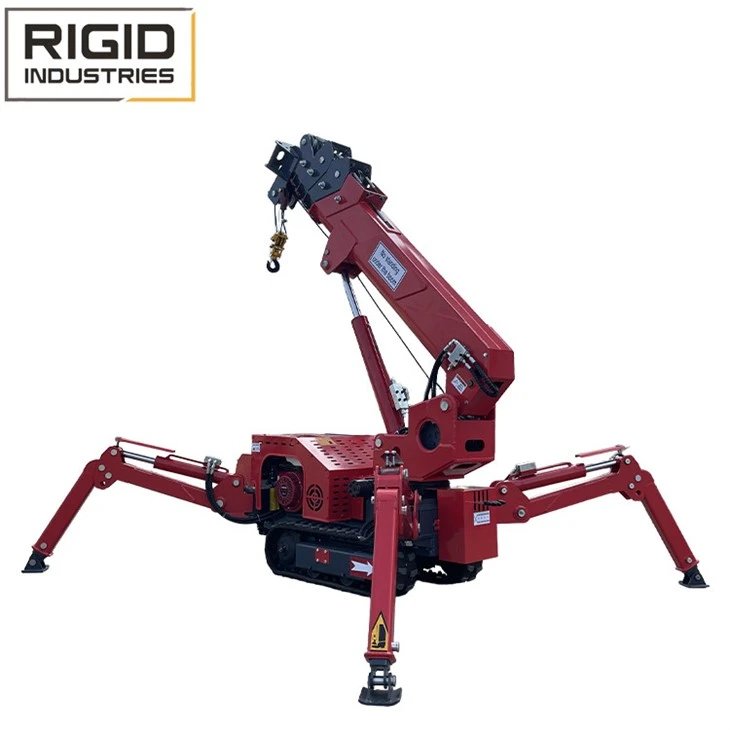
Before starting the crane, a comprehensive pre - operation inspection is crucial. First, visually inspect the crane's structure for any signs of damage, such as cracks, dents, or loose parts. Check the outriggers, the stability of which is fundamental for safe operation. Ensure that the outriggers can fully extend and retract, and that the pads are in good condition. A damaged or unstable outrigger can lead to the crane tipping over during lifting operations.
Inspect the hoisting mechanism, including the wire ropes, hooks, and sheaves. The wire ropes should be free from excessive wear, fraying, or kinking. Replace any worn - out ropes immediately as they are critical for lifting loads safely. The hooks must be in perfect working condition, with no signs of deformation or cracks. The safety latch on the hook should be functioning properly to prevent the load from accidentally slipping off.
Check the hydraulic system for leaks. Hydraulic fluid leaks can not only reduce the crane's performance but also pose a safety hazard. Look for any signs of fluid on the ground or around the hydraulic cylinders and hoses. If a leak is detected, it should be repaired before operating the crane.
Verify the functionality of all control systems. The operator should be able to smoothly control the movement of the crane, including lifting, lowering, slewing, and telescoping. Test all emergency stop buttons to ensure they can quickly halt the crane's operation in case of an emergency.
Training and Operator Competence
One of the most important safety precautions is ensuring that the operator is properly trained. Mini spider cranes have unique features and operating procedures, and an untrained operator can easily make mistakes that lead to accidents. A qualified operator should have a good understanding of the crane's specifications, including its lifting capacity, working radius, and maximum height.
The operator should be trained in load calculations. Understanding how to calculate the center of gravity of the load and ensuring that it is within the crane's safe working limits is essential. Overloading the crane can cause structural damage and increase the risk of tipping. For example, our 2t Mini Spider Crane has a specific lifting capacity, and operators must strictly follow these limits.
In addition to technical training, operators should also be trained in safety procedures, such as emergency response plans. They should know how to handle situations like power failures, hydraulic system malfunctions, or unexpected load shifts. Regular refresher courses should be provided to keep operators updated on the latest safety standards and operating techniques.
Site Assessment and Preparation
Choosing a suitable site for crane operation is vital. The ground must be firm, level, and able to support the weight of the crane and its load. Soft or uneven ground can cause the crane to sink or tilt, leading to instability. Conduct a thorough site survey to identify any potential hazards, such as underground utilities, overhead power lines, or obstacles.
If the site has uneven terrain, appropriate measures should be taken to level the ground or adjust the crane's outriggers. For sites near power lines, maintain a safe distance as specified by safety regulations. Contact the local power company if necessary to ensure that the crane can operate safely without the risk of electrical contact.
Clear the work area of any unnecessary personnel or debris. Set up barriers or warning signs to prevent unauthorized access to the crane's operating area. This helps to reduce the risk of accidents caused by people getting too close to the crane or the moving load.
Load Handling Safety
When handling loads, it is important to ensure that the load is properly secured. Use appropriate slings, chains, or other lifting devices that are rated for the weight of the load. The load should be evenly distributed to prevent it from swinging or tilting during lifting.
Avoid sudden starts, stops, or jerky movements when lifting or moving the load. Smooth and controlled movements help to maintain the stability of the crane and the load. When slewing the crane, make sure there is enough clearance to avoid hitting any obstacles.
Do not lift loads over people. This is a basic safety rule that can prevent serious injuries in case of a load drop or crane failure. If the load needs to be moved to a specific location, ensure that the area is clear of personnel before starting the operation.
Maintenance and Servicing
Regular maintenance and servicing of the mini spider crane are essential for its safe and efficient operation. Follow the manufacturer's recommended maintenance schedule, which typically includes tasks such as lubrication, filter replacement, and inspection of critical components.
Keep detailed records of all maintenance and servicing activities. This helps to track the crane's maintenance history and identify any potential issues early. If any parts are replaced, ensure that they are genuine and of high quality. Using sub - standard parts can compromise the safety and performance of the crane.
For more heavy - duty applications, we also offer 10t Crawler Crane which, like our mini spider cranes, requires strict safety precautions and regular maintenance.
Weather Conditions
Weather conditions can significantly affect the safety of crane operations. Avoid operating the crane in high - wind conditions. Strong winds can increase the risk of the crane tipping over, especially when the boom is extended. Check the weather forecast before starting the operation and have a plan in place to stop work if the wind speed exceeds the safe limit.
In rainy or snowy conditions, the ground may become slippery, reducing the crane's stability. Take extra precautions, such as using anti - slip pads on the outriggers or reducing the crane's lifting capacity. If there is lightning in the area, stop all crane operations immediately and move to a safe location.
Emergency Preparedness
Despite all the safety precautions, emergencies can still occur. Therefore, it is essential to have an emergency preparedness plan in place. The plan should include procedures for dealing with various emergencies, such as crane collapses, load drops, or fires.

Ensure that all operators and site personnel are familiar with the emergency plan. Provide first - aid training to relevant staff and keep first - aid kits readily available on site. In case of an accident, quick and appropriate action can save lives and reduce the severity of injuries.
Conclusion
Using a mini spider crane safely requires a combination of pre - operation checks, proper training, site assessment, load handling precautions, regular maintenance, and emergency preparedness. As a supplier of 1.2t Mini Spider Crane and other crane models, we are committed to providing high - quality equipment and promoting safety in crane operations.
If you are interested in purchasing a mini spider crane or have any questions about safety precautions or crane operations, please feel free to contact us for a detailed discussion. We look forward to working with you to meet your lifting needs while ensuring the highest level of safety.
References
- Crane Safety Manuals provided by industry - recognized organizations.
- Manufacturer's operation and maintenance manuals for mini spider cranes.
- Occupational safety and health regulations related to crane operations.


