

Maintaining the cooling system of a wheel excavator is crucial for its optimal performance and longevity. As a supplier of wheel excavators, I understand the significance of a well - maintained cooling system. In this blog, I will share some essential tips on how to maintain the cooling system of a wheel excavator.
Understanding the Cooling System of a Wheel Excavator
Before delving into maintenance, it's important to understand the components of the cooling system. A typical wheel excavator cooling system consists of a radiator, coolant, water pump, thermostat, and cooling fans. The radiator dissipates heat from the coolant, which circulates through the engine to absorb heat. The water pump ensures the continuous flow of coolant, while the thermostat regulates the coolant temperature. The cooling fans help to increase the airflow through the radiator, enhancing the cooling process.
Regular Inspection of the Cooling System
Regular inspection is the first step in maintaining the cooling system. Check the radiator for any signs of damage, such as leaks, bent fins, or blockages. Leaks can lead to a loss of coolant, which will reduce the cooling efficiency. Bent fins can impede the airflow through the radiator, while blockages can prevent the proper circulation of coolant.
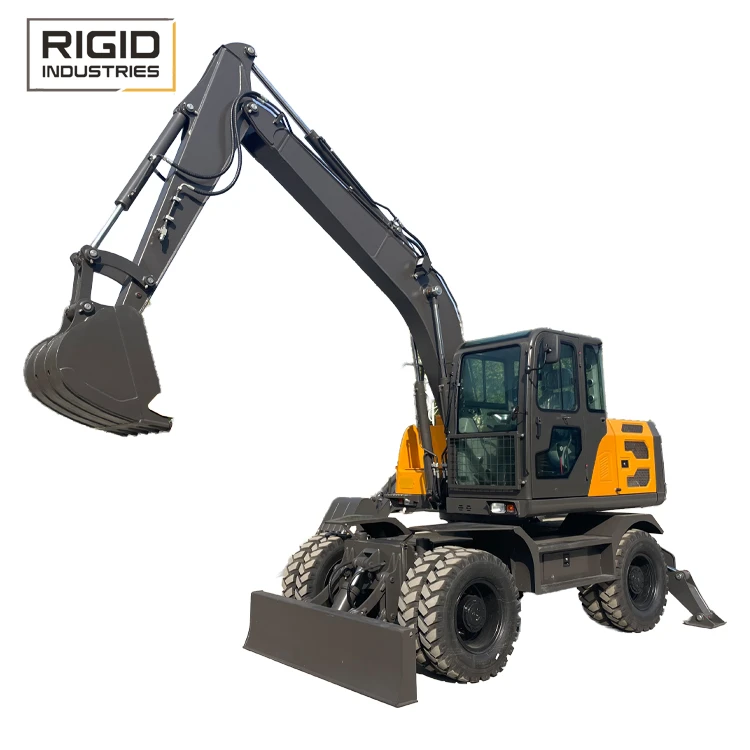

Inspect the coolant level regularly. Low coolant levels can cause the engine to overheat. If the coolant level is low, add the appropriate coolant mixture. It's important to use the coolant recommended by the excavator manufacturer. Different types of coolants have different chemical compositions, and using the wrong coolant can damage the cooling system.
Check the hoses and connections for any signs of wear, cracks, or leaks. Hoses can deteriorate over time due to heat and pressure. A damaged hose can cause coolant to leak, which can lead to engine overheating. Replace any damaged hoses or connections immediately.
Cleaning the Radiator
The radiator is the heart of the cooling system, and keeping it clean is essential. Over time, dirt, debris, and insects can accumulate on the radiator fins, reducing its cooling efficiency. Use a soft brush or compressed air to clean the radiator fins. Be careful not to bend the fins while cleaning.
If the radiator is severely clogged, you may need to use a radiator cleaner. Follow the manufacturer's instructions when using a radiator cleaner. After cleaning, flush the radiator thoroughly with water to remove any remaining cleaner.
Coolant Replacement
Coolant has a limited lifespan, and it needs to be replaced regularly. Over time, coolant can break down and lose its effectiveness. It can also become contaminated with rust, scale, and other impurities. Replacing the coolant at the recommended intervals will ensure that the cooling system operates efficiently.
Drain the old coolant from the radiator and the engine block. Flush the system with water to remove any remaining coolant and contaminants. Then, refill the system with the appropriate coolant mixture.
Checking the Water Pump
The water pump is responsible for circulating the coolant through the engine and the radiator. A faulty water pump can cause poor coolant circulation, which can lead to engine overheating. Check the water pump for any signs of leaks or damage. Listen for any unusual noises coming from the water pump, which could indicate a problem.
If the water pump is not functioning properly, it should be replaced. Replacing the water pump can be a complex task, so it's recommended to have it done by a professional mechanic.
Thermostat Inspection
The thermostat regulates the coolant temperature by controlling the flow of coolant through the radiator. A faulty thermostat can cause the engine to run too hot or too cold. Check the thermostat for proper operation. You can do this by monitoring the engine temperature gauge. If the engine temperature is consistently too high or too low, the thermostat may be faulty.
If the thermostat is not working correctly, it should be replaced. Replacing the thermostat is a relatively simple task, but it's important to follow the manufacturer's instructions.
Cooling Fan Maintenance
The cooling fans play a crucial role in the cooling process. They help to increase the airflow through the radiator, which enhances the cooling efficiency. Check the cooling fans for any signs of damage or malfunction. Make sure the fans are rotating freely and that they are operating at the correct speed.
If the cooling fans are not working properly, they should be repaired or replaced. A malfunctioning cooling fan can cause the engine to overheat, especially in hot weather or during heavy - load operations.
Importance of Using Genuine Parts
When maintaining the cooling system of a wheel excavator, it's important to use genuine parts. Genuine parts are designed specifically for your excavator model, and they are made to the highest quality standards. Using non - genuine parts can lead to compatibility issues and may not provide the same level of performance and reliability as genuine parts.
As a wheel excavator supplier, we offer a wide range of genuine parts for our excavators, including radiators, coolant, hoses, water pumps, thermostats, and cooling fans. You can be assured of the quality and compatibility of our parts.
Our Wheel Excavator Models
We offer a variety of wheel excavator models to meet different customer needs. Our 12 Ton Wheel Excavator is a powerful and versatile machine, suitable for medium - to large - scale construction projects. It is equipped with a high - performance cooling system to ensure reliable operation even under heavy - load conditions.
The 21 Ton Wheel Excavator is our heavy - duty model, designed for demanding applications. It has a robust cooling system that can handle the high heat generated by the powerful engine.
Our 8.5 Ton Wheel Excavator is a compact and agile machine, ideal for small - to medium - scale projects. It offers excellent fuel efficiency and a reliable cooling system.
Conclusion
Maintaining the cooling system of a wheel excavator is essential for its performance and longevity. By following the tips outlined in this blog, you can ensure that your excavator's cooling system operates efficiently. Regular inspection, cleaning, coolant replacement, and component maintenance are key to keeping the cooling system in good condition.
If you are interested in our wheel excavators or need more information about cooling system maintenance, please feel free to contact us. We are here to assist you with all your wheel excavator needs. Whether you are looking to purchase a new excavator or need replacement parts, our team of experts can provide you with the best solutions.
References
- Manufacturer's manuals for wheel excavators
- Industry standards for cooling system maintenance


