

The braking system of a wheel excavator is a critical safety component that directly impacts the equipment's safe operation. As a wheel excavator supplier, we understand the importance of ensuring the reliability and safety of this system. In this blog, we will explore the safety measures for the braking system of a wheel excavator, providing valuable insights for operators and maintenance personnel.
1. Regular Inspections
Regular inspections are the foundation of maintaining a safe braking system. Operators should conduct pre - shift inspections every time they start using the wheel excavator. This includes checking the brake fluid level. Low brake fluid can lead to a loss of braking power. The brake fluid reservoir should be examined for any signs of leakage, and the fluid level should be maintained within the recommended range.
Visual inspections of the brake lines are also essential. Cracks, abrasions, or signs of corrosion in the brake lines can cause fluid leaks, which will severely affect the braking performance. Any damaged brake lines should be replaced immediately. Additionally, the brake pads and shoes need to be inspected for wear. Worn brake pads or shoes have reduced friction, resulting in longer stopping distances. If the thickness of the brake pads or shoes is below the specified minimum, they should be replaced promptly.
2. Proper Maintenance
Proper maintenance of the braking system is crucial for its long - term safety. Firstly, the brake fluid should be replaced at regular intervals as specified in the equipment's maintenance manual. Over time, brake fluid can absorb moisture, which lowers its boiling point and reduces its effectiveness. Fresh brake fluid ensures consistent braking performance.
The brake calipers and wheel cylinders also require regular maintenance. They can become dirty or clogged over time, preventing the proper functioning of the brakes. Cleaning and lubricating the caliper slides and pistons helps to ensure smooth movement and equal pressure distribution on the brake pads. For wheel cylinders, checking for leaks and proper retraction is necessary. If a wheel cylinder is leaking or not working correctly, it may need to be rebuilt or replaced.
3. Training for Operators
Well - trained operators are key to the safe operation of the wheel excavator's braking system. Operators should be educated on the basic principles of the braking system, including how it works and what factors can affect its performance. They should understand the importance of gentle braking. Sudden and hard braking can cause excessive wear on the brake components, reduce the lifespan of the brakes, and in some cases, lead to loss of control of the excavator.
Training should also cover emergency braking procedures. In case of an unexpected situation, operators need to know how to apply the brakes effectively to stop the wheel excavator safely. They should be familiar with the location and operation of the emergency brake, which can be used as a backup in case the primary braking system fails.
4. Use of High - Quality Components
As a wheel excavator supplier, we emphasize the use of high - quality braking components. Inferior quality brake pads, shoes, brake lines, or brake fluid can compromise the safety of the braking system. High - quality brake pads and shoes have better friction characteristics, which provide more reliable stopping power. They also tend to wear more evenly, reducing the risk of uneven braking.
Similarly, high - quality brake lines are less likely to crack or leak, even under high pressure and harsh working conditions. When it comes to brake fluid, using a product that meets or exceeds the manufacturer's specifications ensures optimal performance and protection against corrosion and moisture absorption.
5. Monitoring Braking Performance
During the operation of the wheel excavator, operators should continuously monitor the braking performance. Any changes in the braking feel, such as a spongy pedal or increased pedal effort, could indicate a problem with the braking system. Unusual noises, like squealing or grinding, during braking may suggest worn brake pads or other issues.
If operators notice any of these signs, they should stop using the wheel excavator immediately and have it inspected by a qualified mechanic. Ignoring these warning signs can lead to further damage to the braking system and increase the risk of an accident.

6. Matching Brakes to the Excavator's Specifications
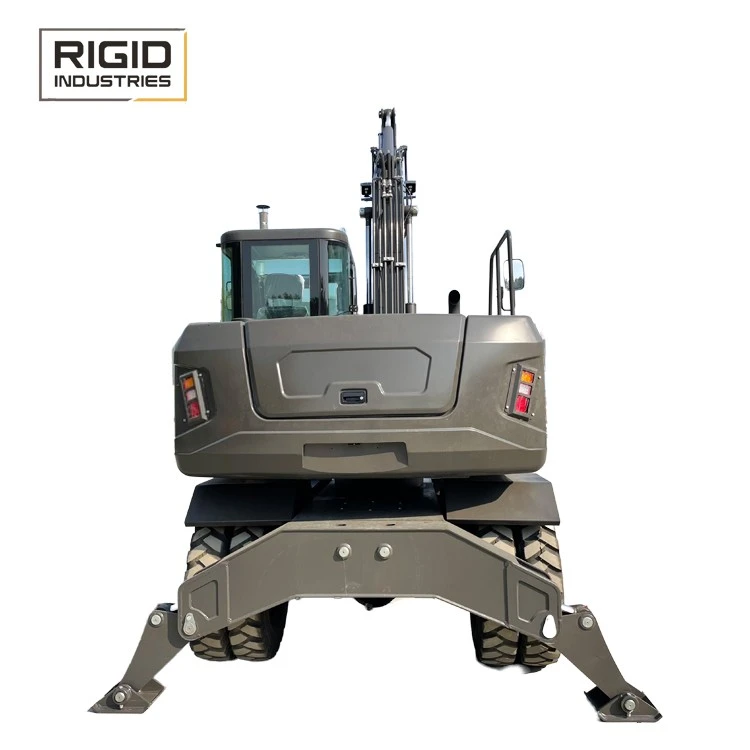
It is essential to ensure that the braking system is correctly matched to the specifications of the wheel excavator. Different models of wheel excavators, such as the 8.5 Ton Wheel Excavator, 12 Ton Wheel Excavator, and 15 Ton Wheel Excavator, have different weights and operating requirements. A braking system that is too small for the excavator's weight will not be able to provide sufficient stopping power, while an oversized braking system may cause unnecessary wear and tear and affect the overall performance of the equipment.
The braking capacity should be carefully calculated based on the excavator's design parameters, including its weight, maximum speed, and expected load. This ensures that the braking system can safely stop the wheel excavator under all normal operating conditions.
7. Environmental Considerations
The working environment of the wheel excavator can also affect the braking system's safety. In dirty or dusty environments, the brake components can become contaminated, reducing their effectiveness. Regular cleaning of the brakes and protecting the braking system from excessive dust and debris can help maintain its performance.
In wet or muddy conditions, the friction between the brake pads and the rotors or drums can be reduced. Operators should operate the wheel excavator with extra caution and allow for longer stopping distances. After operating in wet conditions, it is advisable to gently apply the brakes to dry them out and restore their normal performance.
Conclusion
In conclusion, the safety of the braking system of a wheel excavator is of utmost importance. By implementing regular inspections, proper maintenance, providing operator training, using high - quality components, monitoring braking performance, matching brakes to the excavator's specifications, and considering environmental factors, we can significantly enhance the safety of the wheel excavator's braking system.
As a wheel excavator supplier, we are committed to providing our customers with high - quality wheel excavators equipped with reliable braking systems. We also offer comprehensive after - sales support and maintenance guidance to ensure that our customers' wheel excavators operate safely and efficiently. If you are interested in our wheel excavator products or have any questions about the braking system safety measures, please feel free to contact us for further discussion and procurement negotiation.
References
- "Wheel Excavator Operation and Maintenance Manuals" from various manufacturers.
- Industry standards and regulations related to construction equipment safety.


