

Hey there! As a crawler excavator supplier, I've seen my fair share of hydraulic issues in these machines. Hydraulic systems are the heart and soul of crawler excavators, powering everything from the boom and arm movements to the bucket operations. When they go wrong, it can really throw a wrench in your workday. But don't worry, I'm here to walk you through how to troubleshoot those pesky hydraulic problems.
Understanding the Basics of Crawler Excavator Hydraulics
Before we dive into troubleshooting, let's quickly go over how the hydraulic system in a crawler excavator works. The hydraulic system uses fluid pressure to transfer power. It's made up of a hydraulic pump, valves, cylinders, and hoses. The pump pressurizes the hydraulic fluid, which then flows through the valves to the cylinders. The cylinders then convert the fluid's pressure into mechanical force, moving the various parts of the excavator.
Common Hydraulic Problems and How to Spot Them
Low Hydraulic Pressure
One of the most common issues is low hydraulic pressure. You might notice that the excavator's movements are slow or weak. For example, the boom might not rise as quickly as it should, or the bucket might not have enough force to dig through tough soil.
To check for low hydraulic pressure, you'll need a pressure gauge. Connect the gauge to a test port on the hydraulic system, usually located near the pump or valve. Start the excavator and let it warm up for a few minutes. Then, operate the hydraulic functions and check the pressure readings on the gauge. If the pressure is below the manufacturer's specifications, you've got a problem.
Hydraulic Fluid Leaks
Leaks are another tell - tale sign of trouble. You might see puddles of hydraulic fluid under the excavator or notice fluid dripping from hoses, fittings, or cylinders. Fluid leaks can lead to low fluid levels, which in turn can cause low pressure and damage to the hydraulic components.
Inspect the hoses and fittings regularly for signs of wear, cracks, or loose connections. Pay special attention to areas where the hoses bend or rub against other parts. If you find a leak, replace the damaged hose or tighten the fitting as soon as possible.
Contaminated Hydraulic Fluid
Contaminated fluid can cause all sorts of problems, from clogged filters to damaged pumps and valves. Signs of contaminated fluid include a milky appearance (which could indicate water contamination), a dark color, or the presence of debris.
To check the fluid, remove the dipstick or use a sampling valve. Look at the fluid closely for any signs of contamination. If you suspect contamination, take a sample to a lab for analysis. If the fluid is contaminated, you'll need to drain and replace it, and replace the filters as well.
Troubleshooting Steps
Step 1: Check the Hydraulic Fluid Level
This is the first and easiest thing to do. Low fluid levels can cause a lot of hydraulic problems. Locate the hydraulic fluid reservoir, usually near the engine or in the hydraulic control panel. Remove the cap and check the fluid level against the markings on the dipstick. If the level is low, add the recommended hydraulic fluid. Make sure to use the right type of fluid specified by the manufacturer.
Step 2: Inspect the Hydraulic Filters
Clogged filters can restrict the flow of hydraulic fluid, leading to low pressure and poor performance. Check the filters for dirt, debris, or damage. Most filters have a indicator that will tell you when they need to be replaced. If the filter is clogged, replace it with a new one.
Step 3: Examine the Hydraulic Hoses and Fittings
As mentioned earlier, leaks in hoses and fittings can cause problems. Inspect all the hoses for signs of wear, cracks, or bulges. Check the fittings for tightness. If you find any issues, replace the damaged parts or tighten the fittings. You can use a wrench to make sure the fittings are properly secured.
Step 4: Test the Hydraulic Pump
The pump is responsible for pressurizing the hydraulic fluid. If it's not working properly, you'll end up with low pressure. You can test the pump by checking the pressure at the pump outlet. If the pressure is low, the pump might be worn out or damaged. In this case, you might need to rebuild or replace the pump.
Step 5: Check the Hydraulic Valves
The valves control the flow of hydraulic fluid to the various cylinders. Malfunctioning valves can cause erratic movements or no movement at all. Listen for any unusual noises coming from the valves, such as clicking or hissing. You can also use a diagnostic tool to check the valve's operation. If a valve is faulty, it might need to be repaired or replaced.
Preventive Maintenance
The best way to avoid hydraulic problems is through regular preventive maintenance. Here are some tips:
- Change the hydraulic fluid and filters at the recommended intervals. This helps keep the fluid clean and the system working properly.
- Inspect the hoses and fittings regularly for wear and tear. Replace any damaged parts immediately.
- Keep the hydraulic fluid reservoir clean to prevent contamination.
- Use the right type of hydraulic fluid for your excavator. Using the wrong fluid can cause damage to the system.
Our Crawler Excavator Offerings
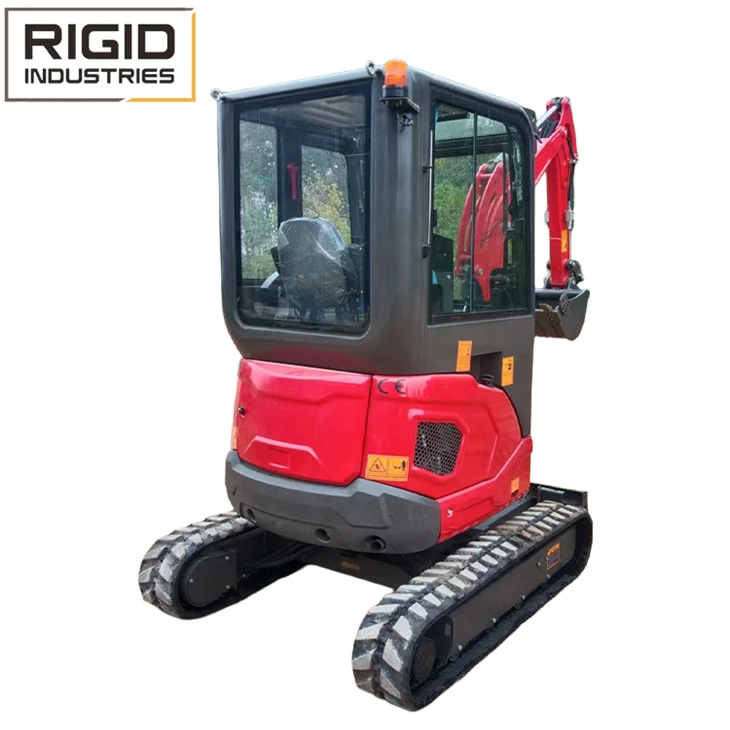
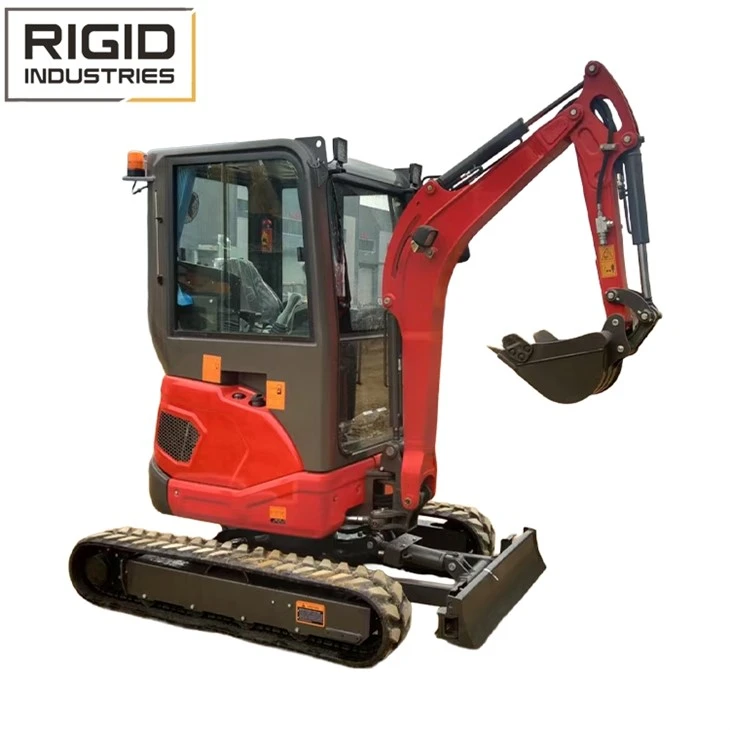
At our company, we offer a wide range of crawler excavators to meet your needs. If you're looking for a compact option, we have the Mini Excavator 1 Ton New which is perfect for small - scale projects. For a bit more power, check out the RE25 2.5t Mini Excavator. And if you need something in between, our 2 Ton New Mini Excavator is a great choice.
Contact Us for Purchasing
If you're interested in learning more about our crawler excavators or need some help with your existing equipment, don't hesitate to reach out. We're here to assist you with any questions you might have and to guide you through the purchasing process. Whether you're a small contractor or a large construction company, we've got the right excavator for you.
References
- "Crawler Excavator Maintenance Manuals" - Various manufacturers
- "Hydraulic Systems Handbook" - Industry - standard technical guide


