

As a supplier of mini spider cranes, I'm often asked about the inner workings of these remarkable machines, especially their slewing mechanisms. The slewing mechanism is a crucial component that enables the crane to rotate horizontally, providing the flexibility needed to position loads accurately in various directions. In this blog post, I'll delve into the details of how a mini spider crane's slewing mechanism works, exploring its components, operation, and advantages.
Components of the Slewing Mechanism
The slewing mechanism of a mini spider crane consists of several key components, each playing a vital role in its operation. These components include:
- Slewing Ring: The slewing ring is the foundation of the slewing mechanism. It is a large, circular bearing that connects the upper structure of the crane (the superstructure) to the lower structure (the undercarriage). The slewing ring allows the superstructure to rotate smoothly and precisely around the vertical axis of the crane.
- Slewing Drive: The slewing drive is responsible for providing the power to rotate the superstructure. It typically consists of an electric or hydraulic motor, a gearbox, and a pinion gear. The motor drives the gearbox, which in turn drives the pinion gear. The pinion gear meshes with the internal or external teeth of the slewing ring, causing the superstructure to rotate.
- Control System: The control system of the slewing mechanism allows the operator to control the rotation of the superstructure. It typically includes a control panel or joystick that the operator can use to specify the direction and speed of rotation. The control system also includes sensors and feedback mechanisms that ensure the slewing mechanism operates safely and accurately.
Operation of the Slewing Mechanism
The operation of the slewing mechanism can be divided into several steps:

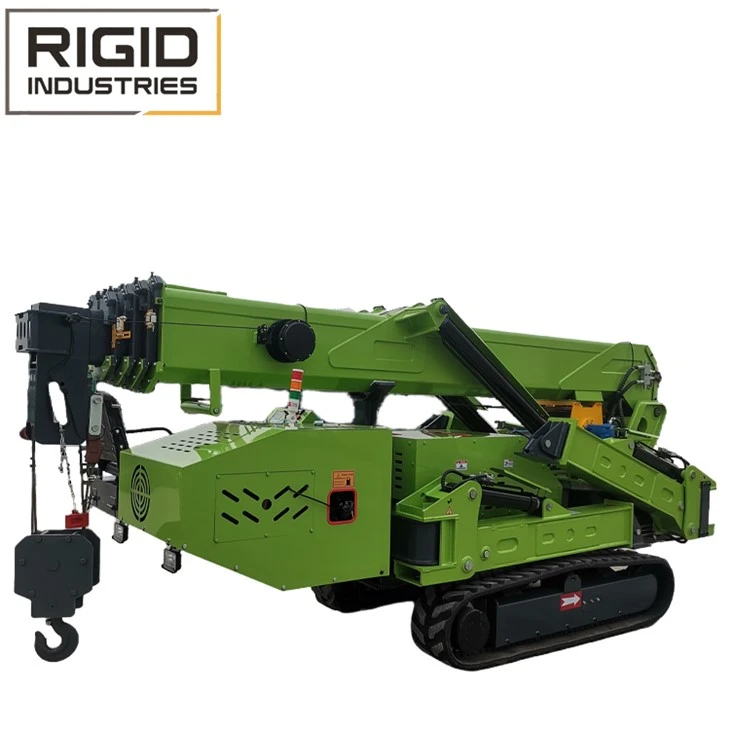
- Power On: When the operator turns on the crane, the power is supplied to the slewing drive. The motor starts to rotate, driving the gearbox and the pinion gear.
- Rotation Command: The operator uses the control panel or joystick to send a rotation command to the slewing mechanism. The control system receives the command and sends a signal to the slewing drive to start rotating the superstructure in the specified direction.
- Gear Engagement: The pinion gear meshes with the teeth of the slewing ring, transmitting the rotational force from the slewing drive to the superstructure. As the pinion gear rotates, it causes the slewing ring to rotate, which in turn causes the superstructure to rotate.
- Speed Control: The control system monitors the speed of rotation of the superstructure and adjusts the power supplied to the slewing drive to maintain the desired speed. If the operator wants to change the speed of rotation, they can use the control panel or joystick to adjust the speed setting.
- Stopping and Braking: When the operator wants to stop the rotation of the superstructure, they can use the control panel or joystick to send a stop command to the slewing mechanism. The control system receives the command and sends a signal to the slewing drive to stop the motor. The slewing mechanism also includes a braking system that helps to stop the rotation of the superstructure quickly and safely.
Advantages of the Slewing Mechanism
The slewing mechanism of a mini spider crane offers several advantages, including:
- Flexibility: The ability to rotate the superstructure horizontally allows the crane to position loads accurately in various directions. This flexibility is particularly useful in confined spaces or when working around obstacles.
- Precision: The slewing mechanism provides precise control over the rotation of the superstructure, allowing the operator to position loads with high accuracy. This precision is essential for tasks that require precise placement of heavy or delicate objects.
- Safety: The slewing mechanism includes a braking system that helps to stop the rotation of the superstructure quickly and safely. This braking system is designed to prevent the superstructure from rotating out of control in the event of a power failure or other emergency.
- Efficiency: The slewing mechanism allows the crane to perform multiple tasks without having to reposition the entire machine. This efficiency can save time and money on construction sites or other work environments.
Applications of Mini Spider Cranes
Mini spider cranes are used in a wide range of applications, including:
- Construction: Mini spider cranes are commonly used in construction projects to lift and position heavy materials such as steel beams, concrete blocks, and precast elements. Their compact size and maneuverability make them ideal for working in confined spaces or on narrow construction sites.
- Industrial Maintenance: Mini spider cranes are also used in industrial maintenance applications to lift and position heavy equipment such as motors, generators, and pumps. Their ability to rotate horizontally allows them to access hard-to-reach areas and perform maintenance tasks efficiently.
- Tree Care: Mini spider cranes are used in tree care applications to lift and remove large tree branches and trunks. Their compact size and low ground pressure make them ideal for working in sensitive environments such as parks, gardens, and residential areas.
- Renewable Energy: Mini spider cranes are used in renewable energy projects to install and maintain solar panels, wind turbines, and other renewable energy equipment. Their ability to lift heavy loads and position them accurately makes them essential for these types of projects.
Conclusion
The slewing mechanism is a crucial component of a mini spider crane, providing the flexibility, precision, safety, and efficiency needed to perform a wide range of tasks. As a supplier of mini spider cranes, I'm proud to offer high-quality machines that are equipped with advanced slewing mechanisms. If you're in the market for a mini spider crane, I encourage you to contact us to learn more about our products and how they can meet your needs.
References
- "Crane Handbook: Theory and Practice" by Frank I. Mann.
- "Mobile and Crawler Cranes: Design, Applications, and Safety" by John T. Reed.
- "The Construction Equipment Handbook" by James W. Hall.
Whether you're looking for a 10t Crawler Crane, an 8t Crawler Crane, or a 5t Mini Crawler Crane, we have the perfect solution for your lifting needs. Contact us today to discuss your requirements and get a quote.


