

As a supplier of 16-ton wheel loaders, I often get asked about the maximum lifting capacity of these powerful machines. Understanding this crucial specification is essential for anyone in the construction, mining, or material handling industries. In this blog post, I'll delve into the factors that determine the maximum lifting capacity of a 16-ton wheel loader and why it matters for your operations.
What Defines the Maximum Lifting Capacity?
The maximum lifting capacity of a wheel loader is the maximum weight it can safely lift and carry under specific conditions. For a 16-ton wheel loader, the term "16 tons" typically refers to the operating weight of the machine, which includes the weight of the loader itself, the operator, and a full load of fuel. However, the maximum lifting capacity is a different metric. It is influenced by several factors:
1. Hydraulic System
The hydraulic system is the heart of a wheel loader's lifting mechanism. A high-quality hydraulic system with powerful pumps and cylinders can generate more force, enabling the loader to lift heavier loads. Our 16-ton wheel loaders are equipped with state-of-the-art hydraulic systems that provide exceptional lifting power. These systems are designed to be efficient, reliable, and responsive, ensuring smooth and precise operation even when handling heavy materials.
2. Chassis and Frame Design
The chassis and frame of a wheel loader must be strong enough to support the weight of the load and the forces generated during lifting and maneuvering. A well-designed chassis distributes the weight evenly, reducing stress on individual components and increasing the overall stability of the machine. Our 16-ton wheel loaders feature a robust chassis and frame design that is engineered to withstand the rigors of heavy-duty applications. This design not only enhances the lifting capacity but also improves the durability and longevity of the loader.
3. Attachment Type
The type of attachment used on the wheel loader can significantly affect its lifting capacity. Different attachments, such as buckets, forks, and grapples, have different weight ratings and center of gravity. For example, a larger bucket may be able to hold more material, but it also adds more weight to the front of the loader, which can reduce the lifting capacity. When selecting an attachment for your 16-ton wheel loader, it's important to consider its weight and how it will impact the balance and stability of the machine.
4. Operating Conditions
The operating conditions, including the terrain, surface type, and temperature, can also influence the maximum lifting capacity of a wheel loader. For example, working on soft or uneven ground can reduce the stability of the machine, which may require a lower lifting capacity to ensure safe operation. Similarly, extreme temperatures can affect the performance of the hydraulic system and other components, potentially reducing the lifting capacity. Our 16-ton wheel loaders are designed to perform well in a wide range of operating conditions, but it's important to take these factors into account when determining the maximum safe lifting capacity.
Typical Maximum Lifting Capacity of a 16-Ton Wheel Loader
While the exact maximum lifting capacity of a 16-ton wheel loader can vary depending on the specific model and configuration, most 16-ton wheel loaders have a maximum lifting capacity in the range of 6 to 10 tons. This capacity allows them to handle a variety of heavy materials, including gravel, sand, rocks, and construction debris.

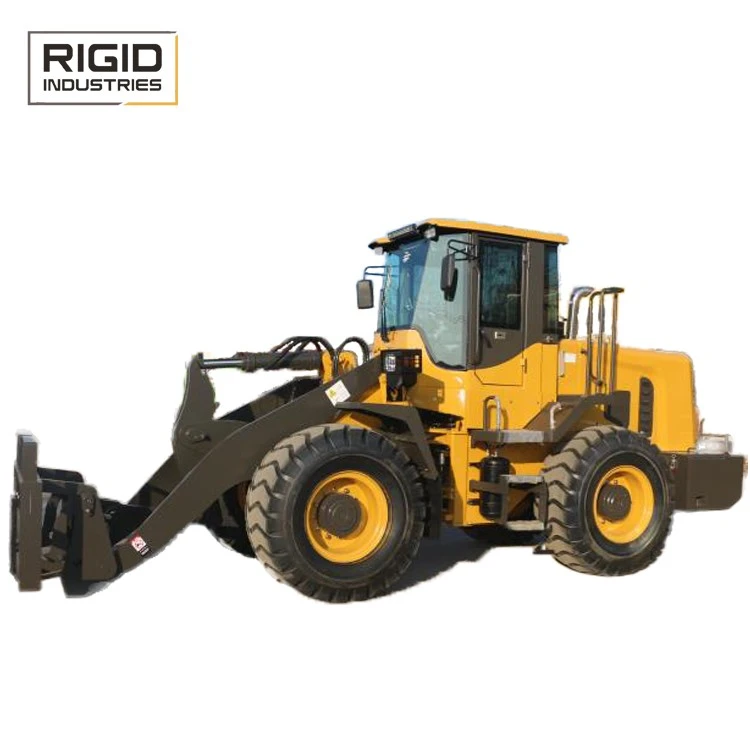
It's important to note that the maximum lifting capacity is typically specified at a specific lift height and reach. As the lift height and reach increase, the lifting capacity decreases. This is because the longer the distance the load is from the pivot point of the loader's arms, the more leverage is required to lift it, which reduces the amount of weight the machine can safely handle.
Why the Maximum Lifting Capacity Matters
The maximum lifting capacity of a wheel loader is a critical factor to consider when choosing the right machine for your needs. Here are some reasons why:
1. Efficiency
A wheel loader with a higher lifting capacity can move more material in fewer trips, increasing productivity and reducing operating costs. For example, if you need to move a large amount of gravel, a 16-ton wheel loader with a higher lifting capacity can complete the job faster than a smaller loader, saving you time and money.
2. Versatility
A higher lifting capacity allows the wheel loader to handle a wider range of materials and applications. This means you can use the same machine for different tasks, such as loading trucks, moving pallets, and digging trenches, without having to invest in multiple pieces of equipment.
3. Safety
Operating a wheel loader within its maximum lifting capacity is essential for safety. Overloading the machine can cause it to tip over, which can result in serious injury or death to the operator and damage to the equipment. By choosing a wheel loader with a sufficient lifting capacity, you can ensure safe and efficient operation.
Comparing Different Wheel Loaders
If you're in the market for a wheel loader, it's important to compare the maximum lifting capacities of different models and sizes. Here are some other popular wheel loader sizes and their typical maximum lifting capacities:
- 13-ton Wheel Loader: The maximum lifting capacity of a 13-ton wheel loader is typically in the range of 5 to 8 tons. These loaders are a good option for medium-sized construction and material handling applications.
- 5 Ton Wheel Loader: A 5-ton wheel loader usually has a maximum lifting capacity of around 2 to 4 tons. These smaller loaders are ideal for light-duty tasks, such as landscaping and small-scale construction projects.
- 0.8 Ton Wheel Loader: The maximum lifting capacity of a 0.8-ton wheel loader is typically less than 1 ton. These compact loaders are suitable for tight spaces and light material handling jobs.
Choosing the Right Wheel Loader for Your Needs
When selecting a wheel loader, it's important to consider your specific needs and requirements. Here are some factors to keep in mind:
- Application: What type of work will you be using the wheel loader for? Different applications require different lifting capacities and attachments.
- Operating Conditions: Where will the wheel loader be operating? Consider the terrain, surface type, and temperature to ensure the machine can perform well in your environment.
- Budget: How much are you willing to spend on a wheel loader? Keep in mind that a higher lifting capacity may come with a higher price tag.
As a supplier of 16-ton wheel loaders, we have a team of experts who can help you choose the right machine for your needs. We offer a wide range of models and configurations to suit different applications and budgets. Whether you need a loader for a small construction project or a large mining operation, we can provide you with the solution you need.
Contact Us for More Information
If you're interested in learning more about our 16-ton wheel loaders or have any questions about their maximum lifting capacity, please don't hesitate to contact us. Our team is ready to assist you with your inquiries and provide you with detailed information about our products and services. We can also arrange a demonstration so you can see our wheel loaders in action and experience their performance firsthand.
Contact us today to start the conversation and find out how our 16-ton wheel loaders can enhance your productivity and efficiency.
References
- Construction Equipment Handbook
- Wheel Loader Manufacturer's Specifications
- Industry Standards and Guidelines


