

As a supplier of 3.5 ton forklifts, I understand the paramount importance of electrical safety when it comes to these powerful machines. In this blog, I'll delve into the intricacies of electrical safety in 3.5 ton electric forklifts, exploring key aspects such as battery safety, electrical system design, and maintenance practices.
Battery Safety
The battery is the heart of an electric forklift, and ensuring its safety is crucial for the overall well - being of the machine and its operators. 3.5 ton electric forklifts typically use large lead - acid or lithium - ion batteries.
Lead - Acid Batteries
Lead - acid batteries are widely used in forklifts due to their relatively low cost and high power output. However, they come with certain safety risks. These batteries contain sulfuric acid, which is highly corrosive. When handling lead - acid batteries, operators must wear appropriate personal protective equipment (PPE), such as acid - resistant gloves and goggles.
Overcharging a lead - acid battery can lead to the release of hydrogen gas, which is highly flammable. To prevent this, modern 3.5 ton electric forklifts are equipped with smart chargers that automatically adjust the charging rate based on the battery's state of charge. Regularly checking the electrolyte levels in lead - acid batteries is also essential. Low electrolyte levels can cause the battery plates to overheat and reduce the battery's lifespan.
Lithium - Ion Batteries
Lithium - ion batteries are becoming increasingly popular in 3.5 ton electric forklifts due to their longer lifespan, faster charging times, and higher energy density. However, they also pose unique safety challenges. Lithium - ion batteries can be prone to thermal runaway, a condition where the battery overheats and can potentially catch fire or explode.
To mitigate these risks, lithium - ion batteries in 3.5 ton forklifts are equipped with battery management systems (BMS). The BMS monitors the battery's temperature, voltage, and current, and can shut down the charging or discharging process if any abnormal conditions are detected. Additionally, proper ventilation is required when using lithium - ion batteries to prevent the build - up of heat.
Electrical System Design
The electrical system of a 3.5 ton electric forklift is a complex network of wires, connectors, and components. A well - designed electrical system is essential for ensuring the safe operation of the forklift.
Wiring and Connectors
All wiring in a 3.5 ton electric forklift should be properly insulated to prevent short circuits. The wires should be routed in a way that minimizes the risk of damage from moving parts or sharp edges. Connectors should be securely fastened to prevent loose connections, which can cause arcing and overheating.
Regular inspections of the wiring and connectors are necessary to identify any signs of wear or damage. If any frayed wires or loose connectors are found, they should be replaced immediately.
Electrical Components
Components such as motors, controllers, and relays play a vital role in the operation of a 3.5 ton electric forklift. These components should be rated for the electrical load they will be subjected to. Overloading electrical components can lead to overheating and premature failure.
For example, the motor controller in a 3.5 ton electric forklift regulates the speed and torque of the motor. A faulty motor controller can cause the motor to run erratically or overheat, posing a safety hazard. Therefore, it is important to have these components regularly tested and maintained.
Maintenance Practices
Proper maintenance is key to ensuring the electrical safety of a 3.5 ton electric forklift. Regular maintenance not only helps prevent electrical failures but also extends the lifespan of the forklift.
Scheduled Inspections
A comprehensive inspection schedule should be established for 3.5 ton electric forklifts. This schedule should include checks of the battery, wiring, connectors, and electrical components. Inspections should be carried out by trained technicians who are familiar with the electrical systems of forklifts.
During inspections, technicians should look for signs of corrosion, wear, and damage. They should also test the electrical performance of components such as the battery charger and motor controller.
Cleaning and Lubrication
Keeping the electrical components of a 3.5 ton electric forklift clean is essential. Dust, dirt, and debris can accumulate on electrical components, which can lead to overheating and short circuits. Regular cleaning of the battery terminals, wiring, and connectors can help prevent these issues.
In addition, some electrical components may require lubrication to ensure smooth operation. For example, the moving parts of relays and switches should be lubricated periodically to prevent wear and reduce the risk of electrical arcing.
Operator Training
Even with the best - designed electrical systems and maintenance practices, the safety of a 3.5 ton electric forklift ultimately depends on the operators. Proper operator training is essential for ensuring the safe use of these machines.
Operators should be trained on how to handle the forklift's battery safely, including how to charge and maintain it. They should also be educated on the signs of electrical problems, such as strange noises or smells, and know what to do in case of an electrical emergency.
In addition, operators should be trained to follow proper operating procedures to prevent damage to the electrical system. For example, they should avoid overloading the forklift, as this can put excessive strain on the electrical components.
Conclusion
Electrical safety is a critical aspect of operating a 3.5 ton electric forklift. From battery safety to electrical system design and maintenance practices, every element plays a crucial role in ensuring the safe and efficient operation of these machines.
As a supplier of 3.5 ton forklifts, we are committed to providing high - quality forklifts that meet the highest standards of electrical safety. Our forklifts are equipped with the latest safety features and are designed to be easy to maintain.
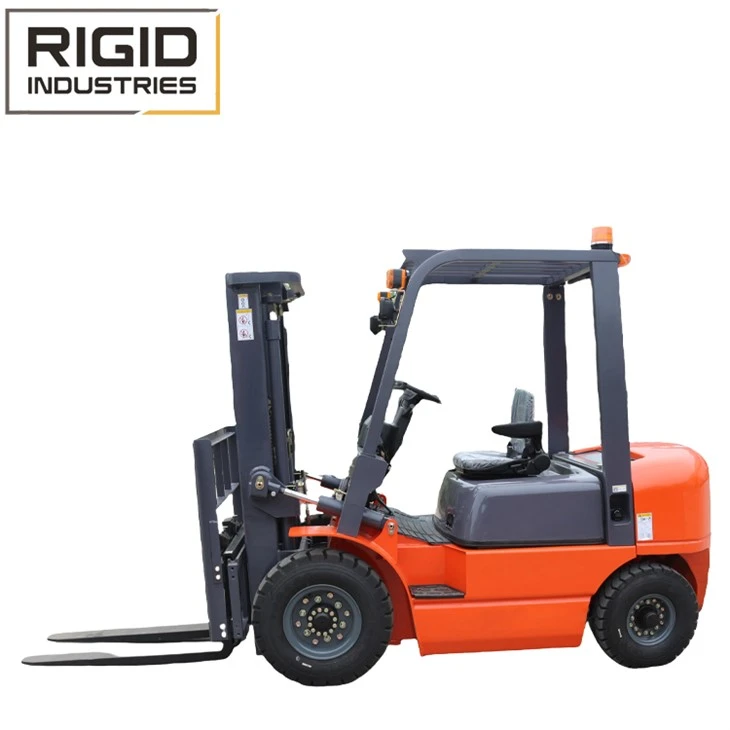

If you are in the market for a 3.5 ton forklift, we invite you to explore our range of products. You can find more information about our 3.5 Ton Forklift. We also offer other models such as the 2.5t Diesel Forklift and the 3.5 Ton Rough Terrain Forklift.
If you have any questions or would like to discuss your specific requirements, please feel free to contact us. Our team of experts is ready to assist you in finding the perfect forklift for your needs.
References
- "Forklift Safety Manual" - Occupational Safety and Health Administration (OSHA)
- "Battery Safety Guidelines for Electric Forklifts" - Battery Council International
- "Electrical System Design in Industrial Vehicles" - Society of Automotive Engineers (SAE)


