

As a supplier of concrete mixer trucks, one of the most frequently asked questions I encounter is about the average fuel consumption of these vehicles. Understanding the fuel consumption of a concrete mixer truck is crucial for both fleet managers and individual operators, as it directly impacts operational costs and overall profitability. In this blog post, I will delve into the factors that influence the fuel consumption of concrete mixer trucks, provide some average figures, and offer tips on how to optimize fuel efficiency.
Factors Affecting Fuel Consumption
The fuel consumption of a concrete mixer truck is influenced by a variety of factors, including the vehicle's size, engine type, load capacity, driving conditions, and maintenance practices. Let's take a closer look at each of these factors:
Vehicle Size and Load Capacity
Larger concrete mixer trucks with higher load capacities generally consume more fuel than smaller ones. This is because they require more power to move the heavier load. For example, a 3000 Self-Loading Mobile Concrete Mixer may have a lower fuel consumption compared to a 5500 Self-Loading Mobile Concrete Mixer due to its smaller size and lighter load capacity.

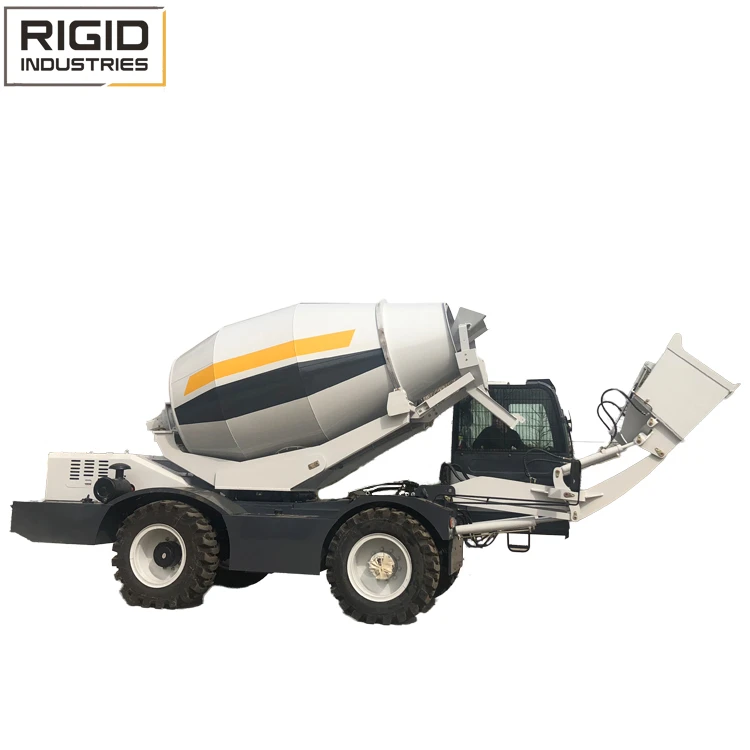
Engine Type
The type of engine used in a concrete mixer truck also plays a significant role in fuel consumption. Diesel engines are commonly used in these vehicles due to their high torque and fuel efficiency. However, newer engine technologies, such as hybrid and electric engines, are becoming more popular as they offer lower emissions and potentially lower fuel consumption.
Driving Conditions
The driving conditions, including traffic congestion, road terrain, and speed, can have a significant impact on fuel consumption. Stop-and-go traffic, hilly terrain, and high speeds all increase fuel consumption. Operators can reduce fuel consumption by avoiding unnecessary idling, maintaining a steady speed, and planning routes to avoid traffic congestion.
Maintenance Practices
Proper maintenance of a concrete mixer truck is essential for optimal fuel efficiency. Regular oil changes, air filter replacements, and tire rotations can help ensure that the engine is running smoothly and the vehicle is operating at its peak performance. Additionally, keeping the tires properly inflated can reduce rolling resistance and improve fuel economy.
Average Fuel Consumption Figures
The average fuel consumption of a concrete mixer truck can vary widely depending on the factors mentioned above. However, as a general guideline, a medium-sized concrete mixer truck with a load capacity of around 4 cubic meters may consume between 20 and 30 liters of diesel per hour of operation. Larger trucks with higher load capacities may consume up to 40 liters per hour or more.
It's important to note that these figures are only estimates and actual fuel consumption may vary depending on the specific vehicle, driving conditions, and maintenance practices. To get a more accurate estimate of fuel consumption for a particular concrete mixer truck, it's best to consult the vehicle's manufacturer or a professional mechanic.
Tips for Optimizing Fuel Efficiency
Here are some tips that can help operators optimize the fuel efficiency of their concrete mixer trucks:
Plan Routes Efficiently
Planning routes in advance can help operators avoid traffic congestion and reduce the amount of time spent idling. Using GPS navigation systems or route planning software can help identify the most efficient routes based on traffic conditions and road closures.
Maintain a Steady Speed
Maintaining a steady speed can help reduce fuel consumption. Avoid sudden acceleration and braking, as these actions can increase fuel consumption significantly. Using cruise control on highways can help maintain a consistent speed and improve fuel economy.
Reduce Idling Time
Idling a concrete mixer truck for extended periods of time can waste a significant amount of fuel. Operators should turn off the engine when the vehicle is not in use, such as during breaks or when waiting at a job site. Additionally, using auxiliary power units (APUs) can provide power for heating, cooling, and other functions without running the main engine.
Keep the Vehicle Properly Maintained
Regular maintenance is essential for optimal fuel efficiency. Operators should follow the manufacturer's recommended maintenance schedule, including oil changes, air filter replacements, and tire rotations. Keeping the tires properly inflated can also reduce rolling resistance and improve fuel economy.
Use the Right Equipment
Using the right equipment for the job can help reduce fuel consumption. For example, using a smaller concrete mixer truck for smaller jobs can help reduce fuel consumption compared to using a larger truck. Additionally, using equipment that is designed for fuel efficiency, such as hybrid or electric engines, can help reduce fuel consumption and emissions.
Conclusion
Understanding the average fuel consumption of a concrete mixer truck is crucial for both fleet managers and individual operators. By considering the factors that influence fuel consumption, such as vehicle size, engine type, driving conditions, and maintenance practices, operators can take steps to optimize fuel efficiency and reduce operational costs. Additionally, by following the tips outlined in this blog post, operators can further improve the fuel efficiency of their concrete mixer trucks.
If you're in the market for a new concrete mixer truck or looking to optimize the fuel efficiency of your existing fleet, I encourage you to contact us. As a leading supplier of concrete mixer trucks, we offer a wide range of vehicles to meet your specific needs and budget. Our team of experts can provide you with detailed information about our products and help you choose the right vehicle for your business.
References
- "Fuel Efficiency Tips for Commercial Vehicles." U.S. Department of Energy.
- "Concrete Mixer Truck Fuel Consumption: What You Need to Know." Construction Equipment Guide.
- "Optimizing Fuel Efficiency in Concrete Mixer Trucks." Fleet Equipment.


