

A concrete mixer truck is an essential piece of equipment in the construction industry, designed to transport and mix concrete materials efficiently. As a leading concrete mixer truck supplier, I am well - versed in the main components that make up these remarkable vehicles. Understanding these components is crucial for construction professionals, contractors, and anyone involved in the concrete production process. In this blog, I will delve into the key parts of a concrete mixer truck, explaining their functions and importance.
1. Mixing Drum
The mixing drum is undoubtedly the heart of a concrete mixer truck. It is a large, rotating cylindrical container where the concrete ingredients - cement, aggregates (such as sand and gravel), water, and sometimes additives - are combined and mixed. The drum is typically made of high - strength steel to withstand the abrasive nature of the concrete and the mechanical stresses during rotation.
The interior of the drum is fitted with helical blades. These blades play a vital role in the mixing process. As the drum rotates, the helical blades lift and tumble the concrete materials, ensuring thorough mixing. When the truck is transporting the concrete to the construction site, the drum rotates slowly to keep the concrete in a homogeneous state and prevent it from setting prematurely.

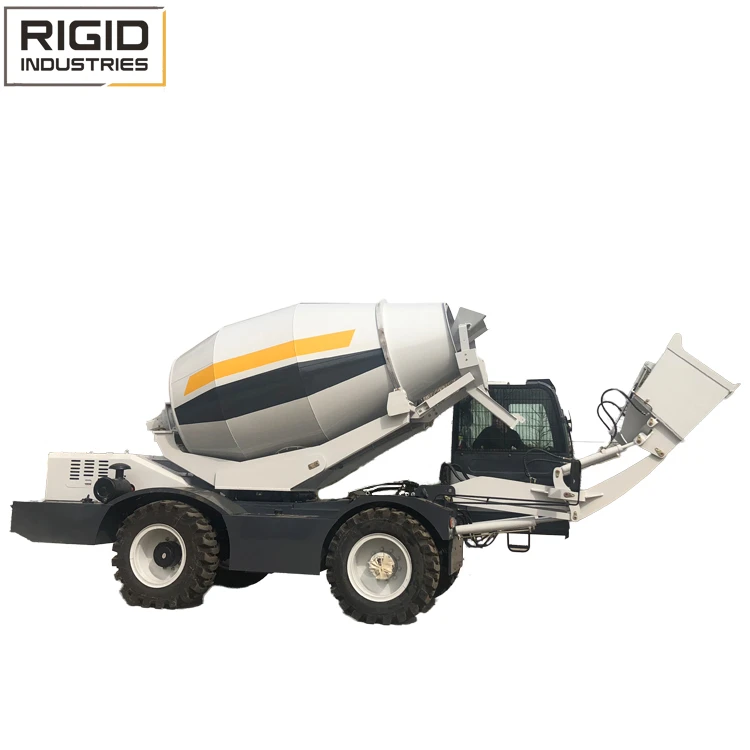
On arrival at the site, the rotation direction of the drum can be reversed. This causes the mixed concrete to be discharged through the chute at the end of the drum. The size of the mixing drum varies depending on the capacity of the truck. For example, our 3000 Self - Loading Mobile Concrete Mixer has a drum capacity that is optimized for medium - scale construction projects, while the 5500 Self - Loading Mobile Concrete Mixer is designed for larger - scale operations.
2. Chassis
The chassis of a concrete mixer truck serves as the foundation that supports all the other components. It is a heavy - duty frame typically made of steel or other high - strength alloys. The chassis provides structural integrity and stability to the entire vehicle, especially when carrying the heavy load of the concrete in the mixing drum.
It is equipped with axles, wheels, and suspension systems. The number of axles depends on the size and weight - carrying capacity of the truck. More axles are usually used in larger trucks to distribute the weight evenly and comply with road regulations. The suspension system helps to absorb shocks and vibrations during transportation, ensuring a smooth ride and protecting the concrete from excessive agitation that could affect its quality.
The engine of the truck is also mounted on the chassis. The engine provides the power needed to drive the vehicle and operate the mixing drum. Modern concrete mixer trucks often use diesel engines due to their high torque and fuel efficiency. The transmission system, which includes gears and clutches, transfers the power from the engine to the wheels and the mixing drum.
3. Hydraulic System
The hydraulic system is a critical component of a concrete mixer truck as it is responsible for powering the rotation of the mixing drum. It consists of a hydraulic pump, hydraulic motor, and hydraulic hoses.
The hydraulic pump is driven by the truck's engine. It pressurizes the hydraulic fluid, usually oil, and sends it through the hydraulic hoses to the hydraulic motor. The hydraulic motor then converts the hydraulic energy into mechanical energy, which rotates the mixing drum.
The hydraulic system allows for precise control of the drum's rotation speed and direction. The operator can adjust the speed according to the mixing requirements and the stage of the concrete production process. For example, a slower speed may be used during transportation, while a faster speed can be selected during the initial mixing phase to ensure proper blending of the ingredients. Our 4000 Self - Loading Mobile Concrete Mixer is equipped with a state - of - the - art hydraulic system that offers high efficiency and reliable performance.
4. Water Tank
A water tank is an integral part of a concrete mixer truck. Water is essential for the concrete mixing process, as it reacts with the cement to form a paste that binds the aggregates together. The water tank stores the water needed for mixing and can also be used for cleaning the mixing drum after the concrete has been discharged.
The size of the water tank varies depending on the truck's capacity and the requirements of the construction project. The water is usually pumped from the tank into the mixing drum through a water delivery system, which may include pipes, valves, and a water pump. The operator can control the amount of water added to the drum to ensure the correct water - to - cement ratio, which is crucial for the strength and durability of the concrete.
5. Control Panel
The control panel is the interface through which the operator controls the various functions of the concrete mixer truck. It is usually located in the cab of the truck, within easy reach of the driver. The control panel allows the operator to start and stop the rotation of the mixing drum, adjust its speed and direction, control the water supply, and monitor the status of the vehicle's systems.
Modern control panels are often equipped with digital displays and sensors that provide real - time information about the drum's rotation speed, the amount of water in the tank, and the temperature of the hydraulic fluid. This information helps the operator to make informed decisions and ensure the safe and efficient operation of the truck.
6. Loading System
In self - loading mobile concrete mixer trucks, a loading system is included. This system is designed to automatically load the cement, aggregates, and water into the mixing drum. It typically consists of a conveyor belt, hopper, and weighing system.
The conveyor belt transports the aggregates from the storage area to the hopper. The hopper then feeds the aggregates into the mixing drum. The weighing system ensures that the correct amount of each ingredient is added to the drum, based on the pre - determined mix design. This automated loading system increases the efficiency of the concrete production process and reduces the need for manual labor.
7. Support Legs
Support legs, also known as outriggers, are important safety components of a concrete mixer truck. When the truck is stationary and discharging the concrete, the support legs are extended to provide additional stability. They help to distribute the weight of the truck and the concrete more evenly, reducing the risk of the truck tipping over, especially on uneven ground.
The support legs are usually hydraulically operated, allowing for easy extension and retraction. They are designed to be strong enough to withstand the forces exerted during the concrete discharge process.
In conclusion, a concrete mixer truck is a complex and sophisticated piece of equipment, composed of several key components that work together to ensure the efficient production and transportation of concrete. As a concrete mixer truck supplier, we are committed to providing high - quality trucks that incorporate the latest technology and design features. Our 3000 Self - Loading Mobile Concrete Mixer, 5500 Self - Loading Mobile Concrete Mixer, and 4000 Self - Loading Mobile Concrete Mixer are all designed to meet the diverse needs of the construction industry.
If you are in the market for a concrete mixer truck, we invite you to contact us for more information and to discuss your specific requirements. Our team of experts is ready to assist you in selecting the right truck for your project and to provide you with the best after - sales service.
References
- Construction Equipment Handbook. McGraw - Hill.
- Concrete Technology: Theory and Practice. Wiley.


