

As a seasoned crawler excavator supplier, I understand the significance of proper maintenance for these powerful machines. One crucial aspect of maintenance is regularly checking the hydraulic oil level. Hydraulic oil plays a vital role in the operation of a crawler excavator, as it powers various hydraulic components such as cylinders, pumps, and motors. In this blog post, I will guide you through the process of checking the hydraulic oil level in a crawler excavator, ensuring your equipment runs smoothly and efficiently.
Why is Checking Hydraulic Oil Level Important?
Before delving into the checking process, let's understand why it's so important to monitor the hydraulic oil level. The hydraulic system in a crawler excavator relies on the oil to transfer power, lubricate moving parts, and dissipate heat. If the oil level is too low, it can lead to several issues, including:
- Reduced Performance: Insufficient oil can cause the hydraulic system to operate less efficiently, resulting in slower response times and reduced power output.
- Component Damage: Without proper lubrication, the hydraulic components can experience increased wear and tear, leading to premature failure and costly repairs.
- Overheating: The oil also helps to dissipate heat generated by the hydraulic system. Low oil levels can cause the system to overheat, which can further damage the components and reduce the lifespan of the excavator.
On the other hand, overfilling the hydraulic oil can also cause problems. It can lead to foaming, which reduces the oil's ability to transfer power and can cause cavitation, a phenomenon where air bubbles form in the oil and collapse, damaging the components.
Preparing to Check the Hydraulic Oil Level
Before you start checking the hydraulic oil level, it's important to take some safety precautions and prepare the excavator. Here are the steps to follow:

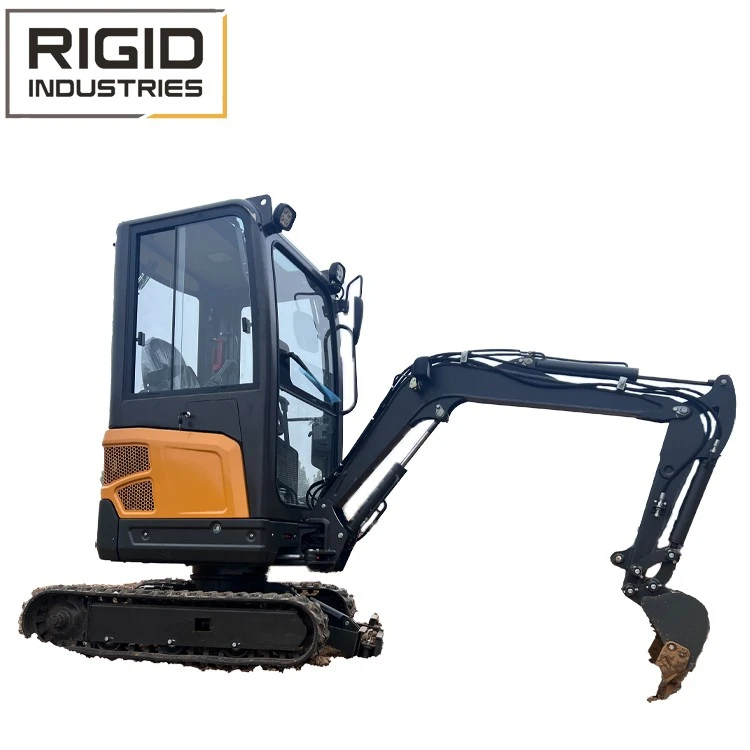
- Park the Excavator on a Level Surface: Make sure the excavator is parked on a flat and stable surface to ensure accurate oil level readings.
- Turn Off the Engine: Allow the engine to cool down for at least 15 minutes before checking the oil level. This will prevent any hot oil from splashing out and causing injury.
- Locate the Hydraulic Oil Reservoir: The hydraulic oil reservoir is usually located near the engine or on the side of the excavator. Refer to the operator's manual for the exact location.
- Clean the Area Around the Reservoir: Use a clean cloth or brush to remove any dirt, debris, or oil from the area around the reservoir. This will prevent any contaminants from entering the reservoir when you remove the dipstick or filler cap.
Checking the Hydraulic Oil Level
Once you have prepared the excavator, you can proceed to check the hydraulic oil level. Here are the steps to follow:
- Remove the Dipstick or Filler Cap: Depending on the excavator model, the hydraulic oil reservoir may have a dipstick or a filler cap. If it has a dipstick, pull it out and wipe it clean with a cloth. If it has a filler cap, remove it carefully.
- Check the Oil Level: Insert the dipstick back into the reservoir and push it all the way down. Then, pull it out again and check the oil level. The dipstick usually has markings indicating the minimum and maximum oil levels. The oil level should be between these two markings. If the oil level is below the minimum marking, you need to add more oil. If it is above the maximum marking, you need to drain some oil.
- Add or Drain Oil if Necessary: If the oil level is low, you can add hydraulic oil through the filler cap or the dipstick tube. Use the recommended type and grade of hydraulic oil specified in the operator's manual. Slowly pour the oil into the reservoir and check the oil level frequently to avoid overfilling. If the oil level is too high, you can drain some oil using a drain plug located at the bottom of the reservoir. Make sure to collect the drained oil in a suitable container for proper disposal.
- Replace the Dipstick or Filler Cap: Once you have added or drained the oil, replace the dipstick or filler cap securely.
Additional Tips for Maintaining the Hydraulic Oil Level
In addition to regularly checking the hydraulic oil level, there are some other tips you can follow to maintain the oil level and ensure the proper functioning of the hydraulic system:
- Change the Hydraulic Oil Regularly: Over time, the hydraulic oil can become contaminated with dirt, debris, and moisture, which can reduce its effectiveness. It's important to change the hydraulic oil at the recommended intervals specified in the operator's manual.
- Use High-Quality Hydraulic Oil: Using high-quality hydraulic oil can help to extend the lifespan of the hydraulic components and improve the performance of the excavator. Make sure to use the recommended type and grade of hydraulic oil specified in the operator's manual.
- Inspect the Hydraulic System for Leaks: Regularly inspect the hydraulic system for any signs of leaks, such as oil stains or puddles under the excavator. If you notice any leaks, repair them immediately to prevent further damage to the system.
- Keep the Hydraulic Oil Reservoir Clean: Make sure to keep the hydraulic oil reservoir clean and free of dirt, debris, and moisture. You can use a clean cloth or brush to remove any contaminants from the reservoir.
Conclusion
Checking the hydraulic oil level in a crawler excavator is a simple but important maintenance task that can help to ensure the proper functioning of the hydraulic system and extend the lifespan of the excavator. By following the steps outlined in this blog post and taking the necessary precautions, you can easily check the oil level and maintain the hydraulic system in good condition.
If you're in the market for a new crawler excavator, we offer a wide range of high-quality models, including the 1.5t Earth Moving Equipment, New 1.5 Ton Excavator, and 2.6t Small Excavator. Our excavators are designed to meet the needs of various applications and are built to last. Contact us today to learn more about our products and to discuss your specific requirements.
References
- Manufacturer's Operator's Manual for Crawler Excavators
- Hydraulic System Maintenance Guidelines


