

As a supplier of 3.5 ton forklifts, I understand the importance of proper maintenance for these powerful machines. One crucial aspect of forklift maintenance is checking the hydraulic fluid level. In this blog post, I'll guide you through the process of checking the hydraulic fluid level of a 3.5 ton forklift, ensuring your equipment runs smoothly and efficiently.
Why Checking Hydraulic Fluid Level Matters
Hydraulic systems are the heart of a forklift. They are responsible for powering the lifting mechanism, tilting the mast, and other essential functions. The hydraulic fluid acts as both a lubricant and a power - transmitting medium. If the fluid level is too low, it can lead to cavitation, which causes damage to the hydraulic pump and other components. On the other hand, an overfilled reservoir can lead to foaming of the fluid, reducing its effectiveness and potentially causing leaks.
Pre - Check Preparations
Before you start checking the hydraulic fluid level, you need to take some safety precautions. First, park the forklift on a level surface. This ensures an accurate reading of the fluid level. Turn off the engine and allow the forklift to cool down. Hot hydraulic fluid can cause burns if it splashes out during the checking process. Also, make sure to wear appropriate personal protective equipment, such as safety glasses and gloves.
Locating the Hydraulic Fluid Reservoir
The hydraulic fluid reservoir is usually located near the forklift's mast or behind the operator's seat. On a 3.5 ton forklift, it is a relatively large container with a clear sight - glass or a dipstick for checking the fluid level. Some forklifts may have a removable cap on the reservoir, which you can use to add or check the fluid.
If you are having trouble locating the reservoir, refer to the forklift's operator manual. Our 3.5 Ton Forklift comes with a detailed manual that provides clear instructions on the location of all components, including the hydraulic fluid reservoir.
Checking the Fluid Level Using a Sight - Glass
Many modern 3.5 ton forklifts are equipped with a sight - glass on the side of the hydraulic fluid reservoir. The sight - glass is a transparent tube or window that allows you to visually inspect the fluid level. There are usually markings on the sight - glass indicating the minimum and maximum levels.
To check the fluid level, simply look at the sight - glass. The fluid should be between the minimum and maximum marks. If the fluid level is below the minimum mark, it's time to add more hydraulic fluid. If it is above the maximum mark, you may need to drain some fluid to avoid overfilling.
Checking the Fluid Level Using a Dipstick
Some forklifts use a dipstick to measure the hydraulic fluid level. To check the level with a dipstick, first, remove the dipstick from the reservoir. Wipe it clean with a rag or paper towel. Then, re - insert the dipstick fully into the reservoir and remove it again.
The dipstick will have markings indicating the proper fluid level. Compare the fluid level on the dipstick with these markings. Similar to the sight - glass method, if the fluid is below the minimum mark, add more fluid, and if it's above the maximum mark, drain some fluid.
Adding Hydraulic Fluid
If you need to add hydraulic fluid, make sure to use the type of fluid recommended by the forklift manufacturer. Using the wrong type of fluid can damage the hydraulic system. Our 3.5 Ton Forklift is designed to work with high - quality hydraulic fluids that meet specific industry standards.
To add fluid, remove the cap from the hydraulic fluid reservoir. Slowly pour the fluid into the reservoir, checking the level frequently using the sight - glass or dipstick. Be careful not to overfill the reservoir. Once the fluid level reaches the appropriate mark, replace the cap tightly.
Post - Check Steps
After checking and adjusting the hydraulic fluid level, start the forklift and operate the hydraulic functions, such as lifting and tilting the mast, a few times. This helps to circulate the fluid throughout the system and ensures that the level is accurate. Then, re - check the fluid level to make sure it remains within the proper range.
Other Considerations
In addition to checking the fluid level, it's also important to inspect the hydraulic fluid for signs of contamination. Contaminated fluid can cause premature wear and damage to the hydraulic components. Look for signs such as dirt, debris, or a milky appearance in the fluid. If you notice any of these signs, it may be necessary to change the hydraulic fluid and clean the reservoir.
Regularly checking the hydraulic fluid level is just one part of a comprehensive forklift maintenance program. It's also important to inspect other components, such as the hoses, fittings, and seals, for leaks or damage.
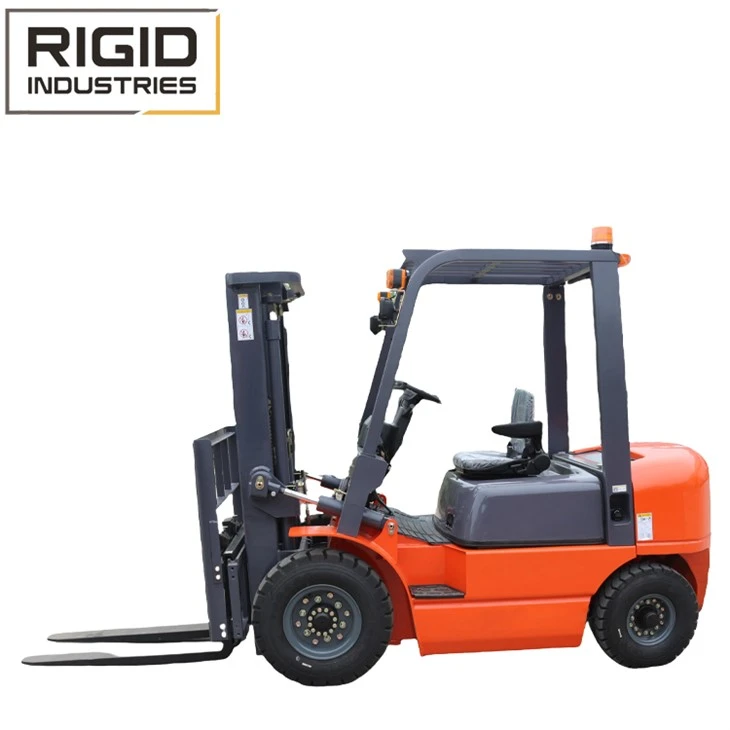

Our Product Range
At our company, we not only provide high - quality 3.5 ton forklifts but also offer a wide range of other forklift models. For example, our 2.5t Diesel Forklift is a versatile machine suitable for various industrial applications. If you need a more compact option, our Mini 2.5 Ton Diesel Forklift is an excellent choice.
Contact Us for Procurement
If you are in the market for a new forklift or need more information about forklift maintenance, we are here to help. Our team of experts can provide you with detailed product information, technical support, and assistance in choosing the right forklift for your specific needs. Whether you are a small business or a large industrial enterprise, we have the right solution for you. Reach out to us to start a procurement discussion and find the perfect forklift for your operations.
References
- Forklift Operator's Manuals
- Industry Standards for Forklift Hydraulic Systems


